Ethical Wild-Caught Aquarium Trade: Beyond the Glass
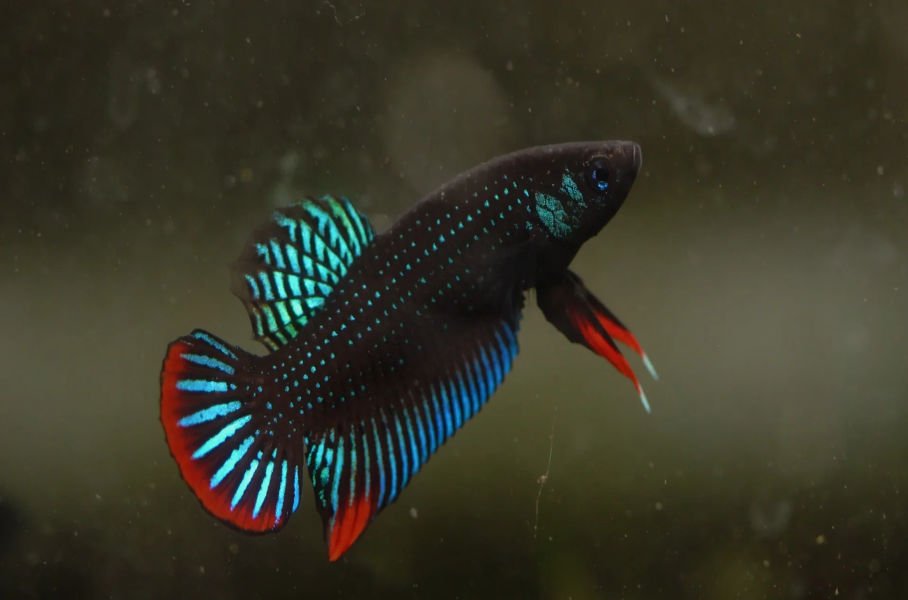
Ethical Wild-Caught Aquarium Trade: Beyond the Glass
Explore how the ethical wild-caught aquarium trade in 2025 is preserving marine ecosystems while supplying vibrant aquatic life to global hobbyists.
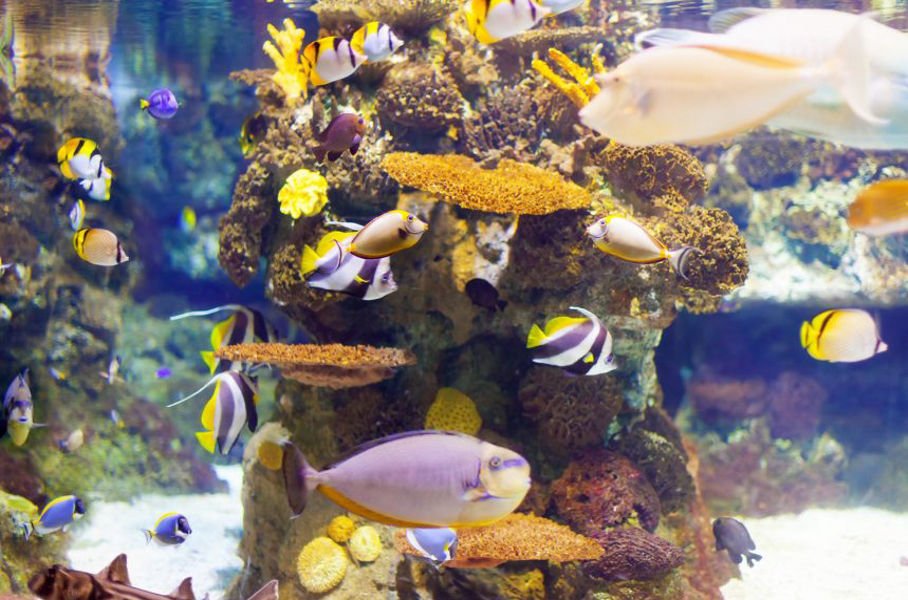
Behind every vibrant marine fish swimming in a home aquarium lies a journey that began in the ocean’s coral gardens. In 2025, the conversation is no longer just about beauty — it’s about responsibility. The ethical wild-caught aquarium trade is redefining how we interact with marine life, blending conservation with commerce in thoughtful and sustainable ways.
Let’s dive deep into what makes this trade not only possible but essential for both ecosystems and aquarists worldwide.
1. What Does “Ethical Wild-Caught” Really Mean?
When we talk about ethical wild-caught aquarium trade, we refer to the practice of harvesting marine fish and invertebrates from the wild in a way that:
Protects the biodiversity of reef ecosystems
Avoids overharvesting of vulnerable species
Ensures fair labor practices for local collectors
Follows legal and sustainable export protocols
This model contrasts sharply with unsupervised, exploitative collection methods that damage coral reefs and endanger species.
2. Why Wild-Caught Still Matters in 2025
Despite advances in captive breeding, many marine species are still not successfully bred in captivity. Wild collection — when done responsibly — remains a critical link in the supply of healthy, colorful, and genetically diverse aquatic life.
Some key reasons:
Wild-caught species often display more vibrant colors and natural behaviors
It helps support coastal economies that rely on responsible fishing
It encourages global awareness of reef conservation
Ethical sourcing ensures this process strengthens both the hobby and the ocean.
3. Regulations That Make the Difference
In 2025, leading exporters like Overseas Aquatics are following strict international regulations such as:
CITES (Convention on International Trade in Endangered Species)
MAC Certified (Marine Aquarium Council, where applicable)
Country-specific quotas and seasonal bans
By adhering to these frameworks, exporters can guarantee that marine life is collected in harmony with ecological rhythms, not against them.
4. A Look Behind the Scenes: How Overseas Aquatics Leads Ethically
Companies like Overseas Aquatics go beyond compliance — they invest in local relationships, train divers in reef-friendly collection techniques, and emphasize post-harvest care to minimize fish stress.
Their facilities maintain:
Quarantine systems that ensure healthy fish before export
Acclimatization processes that make transitions smoother for aquarists
Zero-waste water policies to reduce environmental impact
It’s not just about exporting fish — it’s about exporting stewardship.
5. What Aquarists Can Do to Support Ethical Trade
As a consumer or hobbyist, your role is powerful. Support the ethical wild-caught trade by:
Asking your supplier about collection sources
Choosing species with verified legal origins
Avoiding impulse purchases of rare or hard-to-care-for fish
Sharing knowledge about ethical practices with others in the hobby
Your tank can become a miniature ocean — not just in appearance, but in philosophy.
Conclusion: More Than a Tank, It’s a Testament
An aquarium should be more than a glass box filled with beauty. In 2025, it can be a statement of values — a display of coexistence, sustainability, and respect for marine life.
By choosing fish from the ethical wild-caught aquarium trade, you’re not just decorating a space — you’re helping preserve the seas for generations to come.